
I spent so many years thinking I was just destined to have a miserable spring every year. I’d watch the first blossoms appear with a sense of dread rather than joy, knowing that within days, I’d be reaching for the strongest antihistamines I could find.
But for many of us, there’s a point where the pills simply stop working. You double the dose, you switch brands, but the sneezing, the itchy eyes, and that heavy, listless feeling remain. If that’s where you are today, I want to share something with you that changed how I look at my health forever.
It Might Not Be Just the Pollen
We’re taught to believe that hay fever is a simple reaction to what’s in the air. While pollen is certainly a trigger, it’s often just the final straw for a system that is already overwhelmed.
This is the difference between a standard allergy and Histamine Intolerance.
A standard allergy is your immune system overreacting to a specific intruder. Histamine intolerance, however, is more like a plumbing problem. It happens when your body’s natural ‘clean-up crew’ can’t keep up with the amount of histamine entering your system.
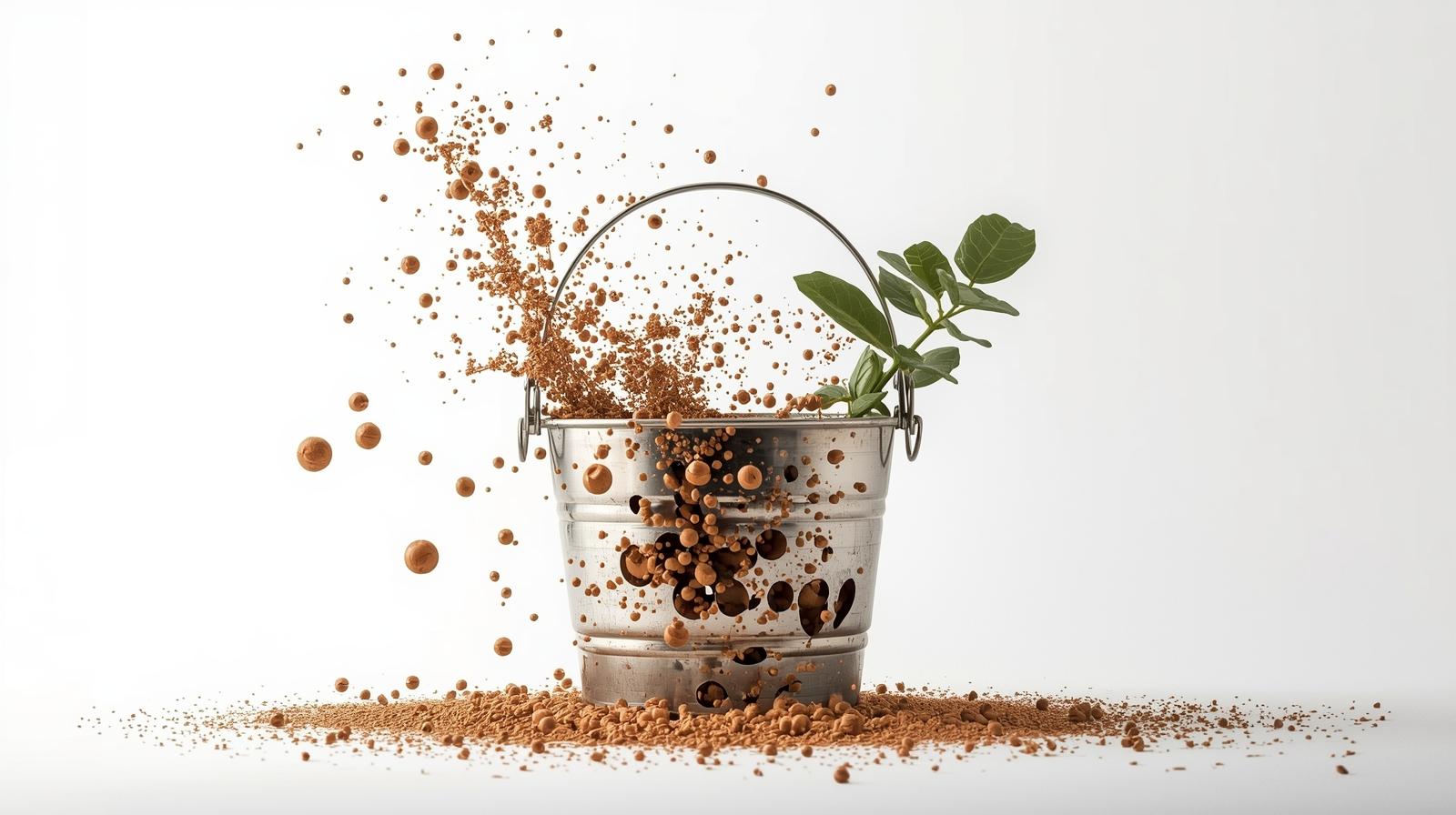
The Histamine Bucket
Imagine your body has a bucket. Histamine flows into this bucket from many sources:
- The food you eat (especially fermented things, aged meats, or even ‘healthy’ choices like spinach and avocado).
- Environmental triggers like pollen and dust.
- Internal factors like stress, lack of sleep, and gut health.
As long as your bucket has room, you feel fine. But when it overflows, that’s when the symptoms hit. If your bucket is already 90% full from your diet and stress levels, even a tiny amount of pollen will cause a ‘spill’ that no antihistamine can block.
The Silent Symptoms
We all know the classic sneezing and itchy eyes, but histamine overload often carries silent symptoms that we rarely connect to our ‘allergies’:
- Brain Fog: That feeling like your head is filled with cotton wool.
- Random Anxiety: A sense of unease or a racing heart that seems to come from nowhere.
- Bloating & Digestive Issues: Your gut is actually where most of your histamine-clearing enzymes live.
- Persistent Fatigue: Feeling like you’ve run a marathon when you’ve only just woken up.
Stepping Off the Autopilot
If you feel like you aren’t getting anywhere with standard treatments, it might time to stop trying to mask the spill and start emptying the bucket.
Little changes, like choosing fresh foods over leftovers or taking a moment to lower your stress, can create the ‘headroom’ your bucket needs to handle the spring season.
Reclaiming Your Spring
You don’t have to live in a bubble or hide indoors until July. By understanding the total load on your system, you can build the resilience you need to actually enjoy the sunshine again.
If you’re ready to see exactly what is filling your personal bucket, our 24-Day Reset is designed to help you quiet the noise and find your baseline again. You can find the full protocol in your dashboard.
I hope you find some peace and clarity today.